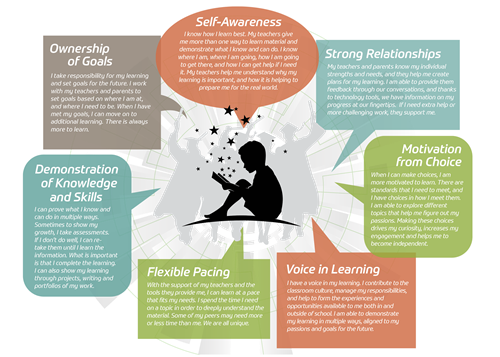
What will be the role of students in the classroom? What are ways to enhance student opportunities in these roles?
Leaders: Giving students the opportunity and teaching them how to act as leaders in the classroom and at school is an important role. Teaching students to take accountability for themselves, their space and their learning. In the classroom there are various ways that students can act as leaders. For example; students can be assigned or apply for leadership positions or jobs within the classroom. This can range from librarian, clean up crew, messenger etc… this teaches students responsibility and lets them be an active member of their classroom. It promotes communication, collaboration and community. See the video below for a peak at how this teacher establishes and uses leadership roles.
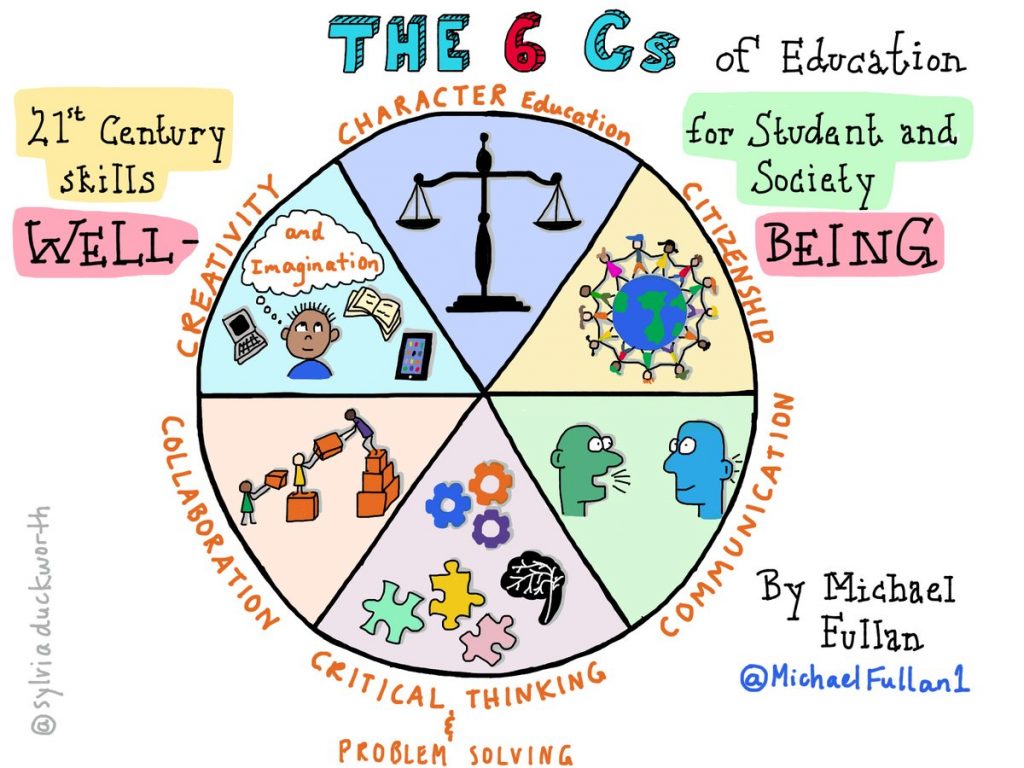
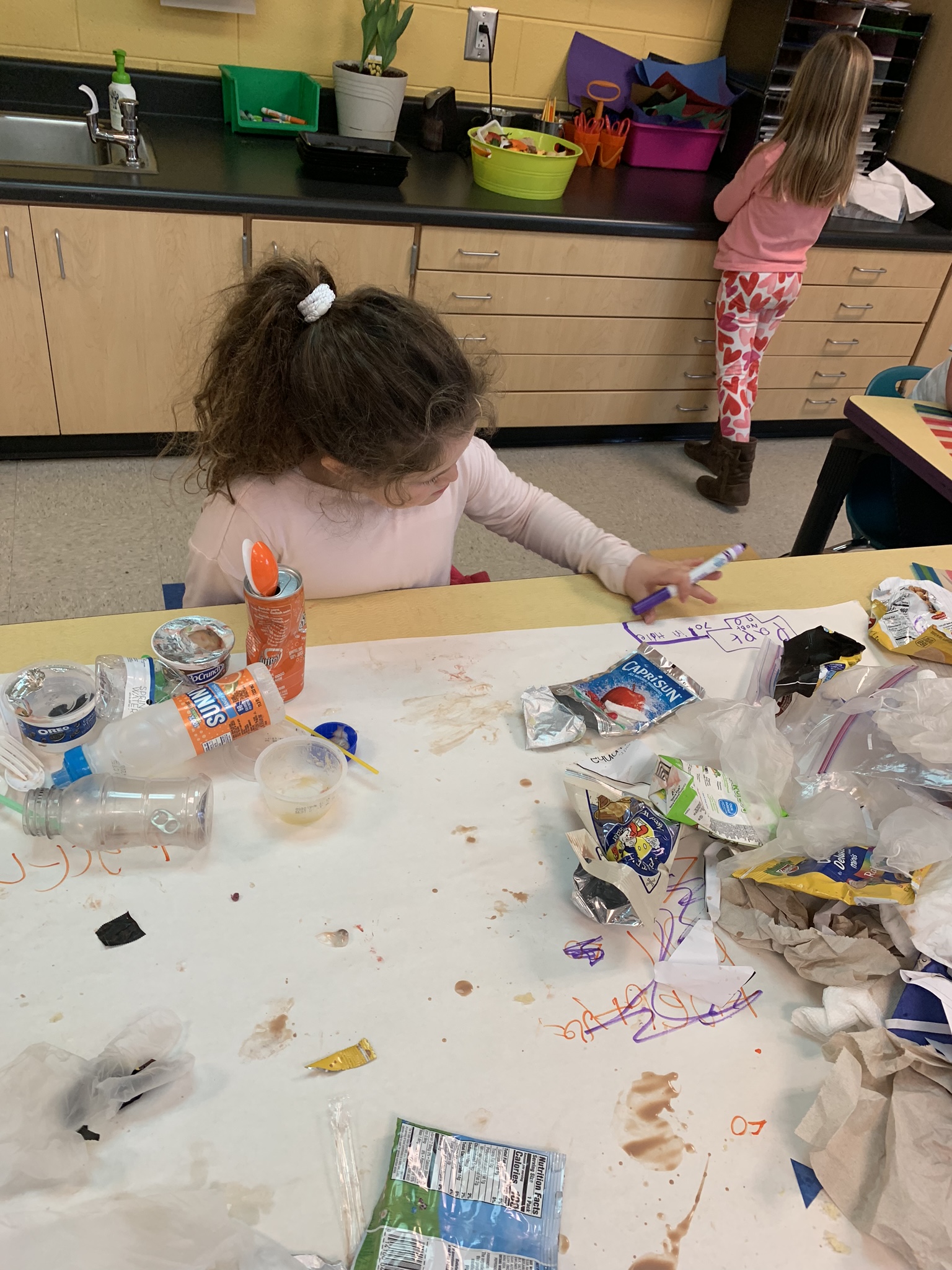
Thinkers: According to critical thinking specialist, G. Randy Kasten believes that the ability to think critically will benefit students throughout their lives. It “is one skill separating innovators from followers.” The definition of critical thinking is not universally agreed upon, but Kasten says “it is merely the ability to understand why things are the way they are and to understand the potential consequences of actions” (2018). Being a critical thinker is another important role as students, as mentioned above, it is a skill that will be used life long. Teaching students how and why it is important can start in elementary school and continue throughout. Critical thinking is one of the 5 C’s of PBL, which a great way to give students the opportunity to practice these skills in a real world, hands on approach.

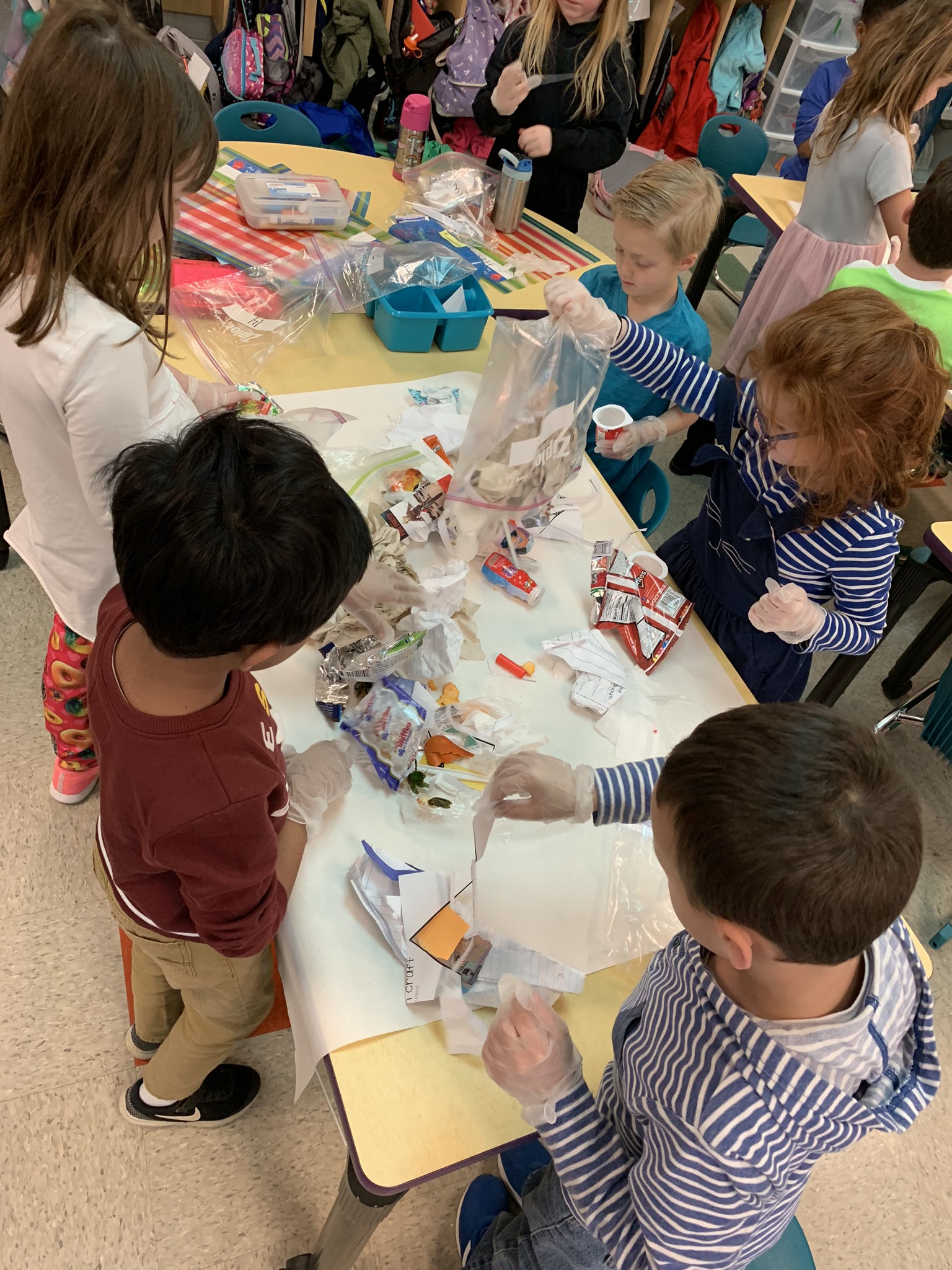
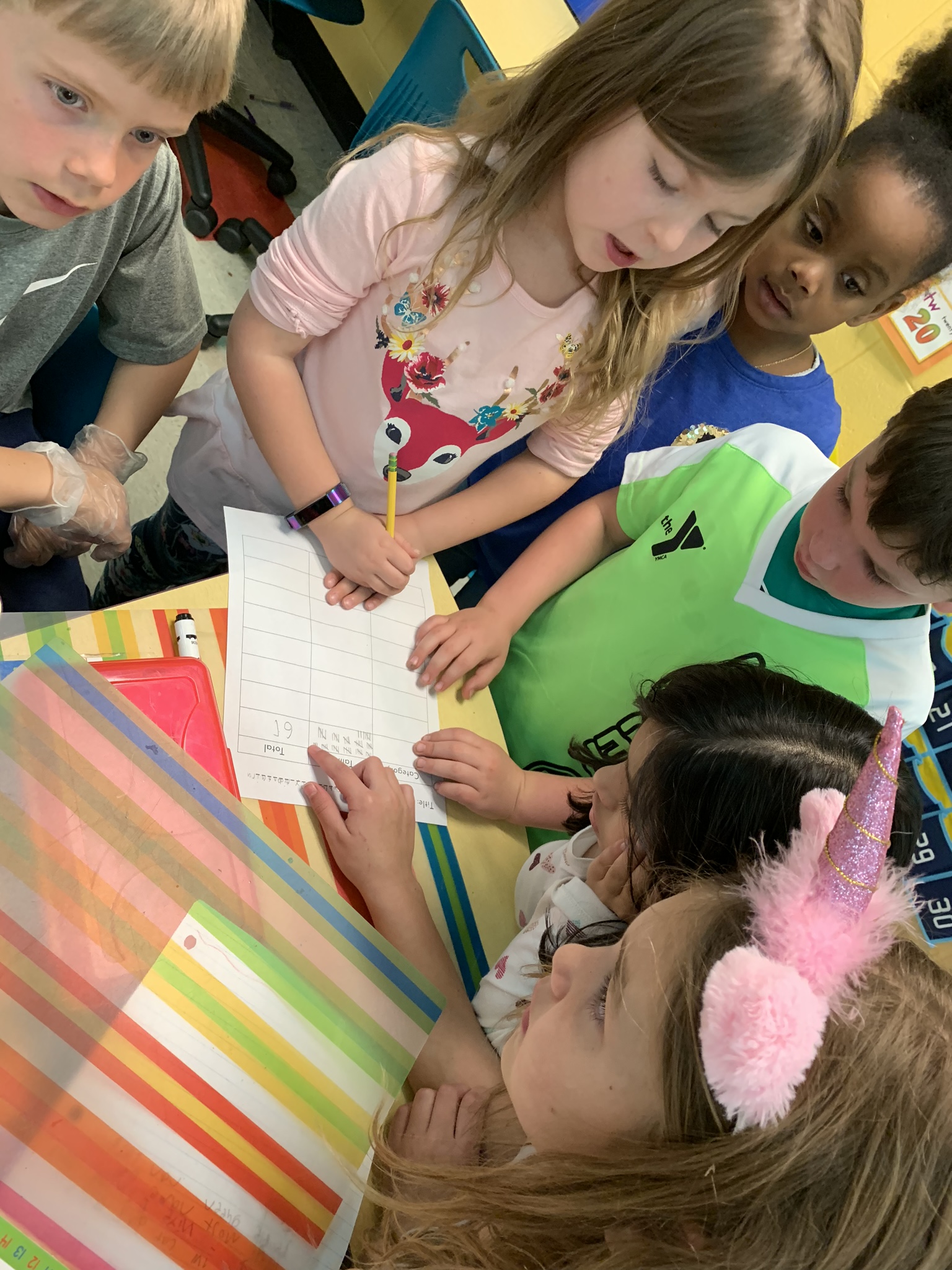
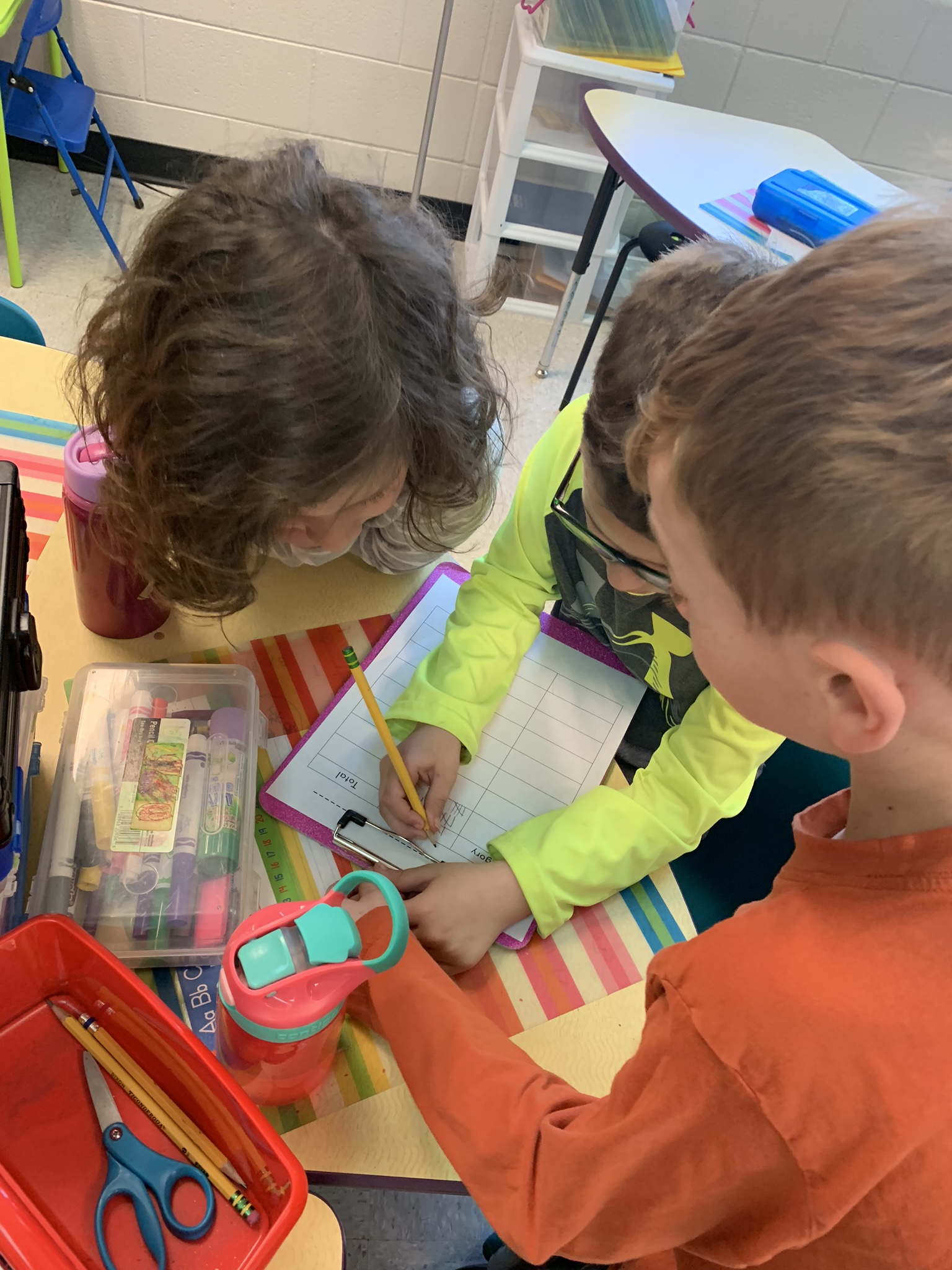
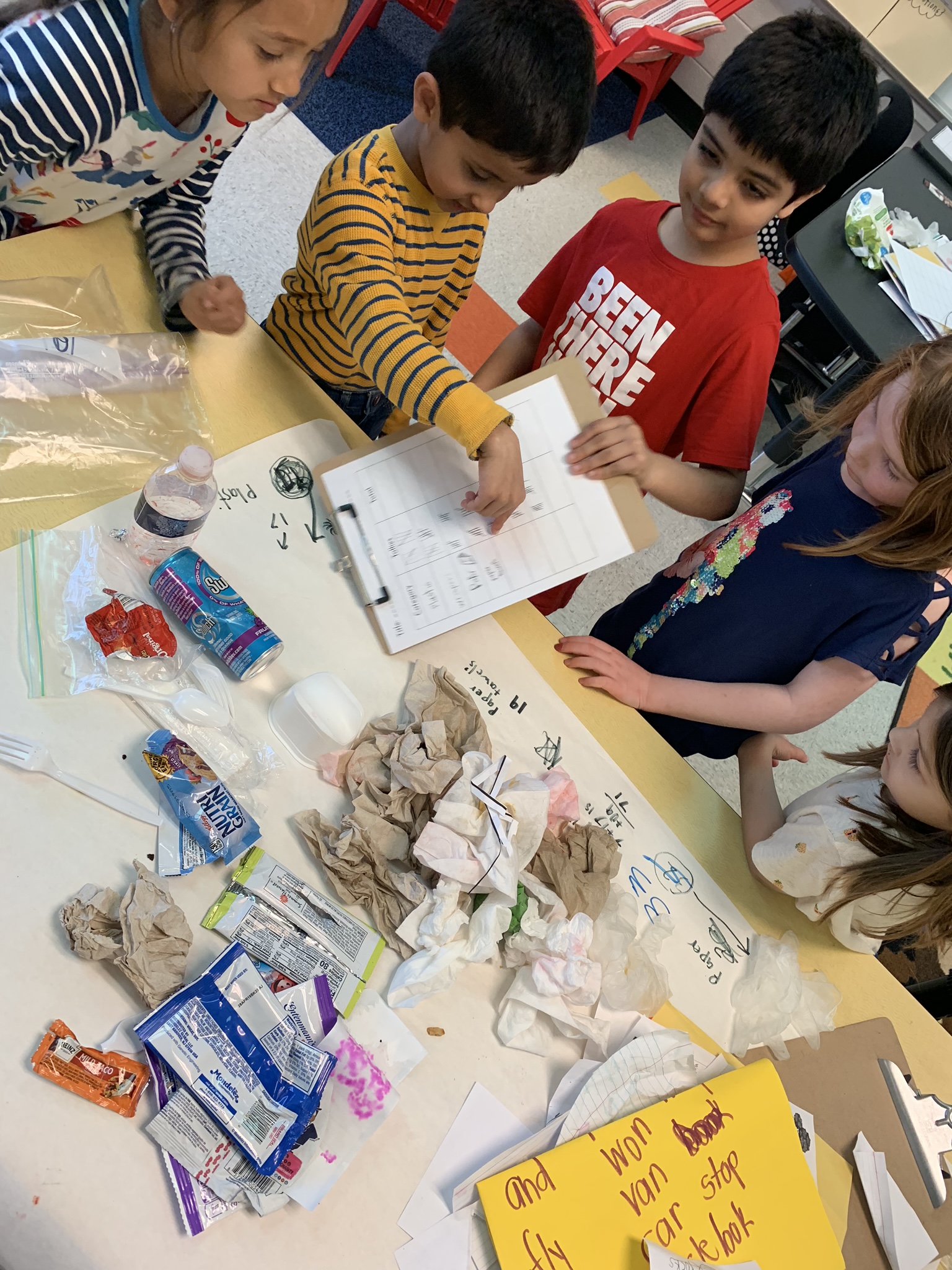
Collaborators: Lee Vygotsky Russian teacher, and psychologist is credited with first stating that we learn through interactions with our peers and teachers. Social learning theory explains how people can learn in different social contexts and how creating a more active learning community can positively impact a learner’s ability and help meet individual learner goals (Poth, 2018). Collaboration is another life long skill that students can learn early on and continue to do as become productive citizens. With the advances in technology, there are more ways to collaborate that can occur outside of the classroom and beyond the school day. “It can be of benefit to give students opportunities to collaborate within a virtual space, as that often can have a positive impact on their interactions in the physical learning space as well. In preparing students for the future, where they will likely need to work with others as part of a team, they will need experience in developing the skills to collaborate, to problem-solve, to think critically, and to have discussions as part of the learning or decision-making process” (Poth, 2018). We have the opportunity to create these experiences for them, and as the teacher, we then move to more of a facilitator and work alongside students to help them with these collaborations as they work on learning the content material or focus on more PBL.
Resources:
The importance of critical thinking for students. (2018, August 14). Retrieved from https://getonline.uwf.edu/articles/education/critical-thinking-for-students.aspx
Poth, R. D. (2018, October 14). Collaboration: bringing students together to promote learning. Retrieved from https://www.gettingsmart.com/2018/10/collaboration-bringing-students-together-to-promote-learning-can-move/





 Teaching & Learning