Find out the who, what, where, when, why and how when using cooperative learning and the benefits of this instructional approach
Who: This instructional strategy is for any educator, classroom teacher, small group/RTI teacher or special area teacher to implement with their students.
What: According to the article written on Teacher Vision, “Cooperative Learning is an instructional approach in which small groups of students work together on a common task. The task can be as simple as solving a multi-step math problem together, or as complex as developing a design for a new kind of school. In some cases, each group member is individually accountable for part of the task; in other cases, group members work together without formal role assignments.”
Where: This strategy can be used in any grade level or content area
When: Anytime you see fit. During a project, when practicing or learning a new strategy or skill, or simply building relationships and rapport among students.
Why: Using the cooperative learning approach creates high engagement among students. It gives students the opportunity to work together to problem solve, think critically, collaborate, communicate and be creative. It give students ownership of their learning and holds them accountable. This approach teaches students both soft and hard skills they will need as they continue their education and become productive citizens.
How: According to David Johnson and Roger Johnson (1999), there are five basic elements that allow successful small-group learning: positive interdependence, promotive face to face interaction, individual accountability, social skills and group processing. A visual representation of this concept is below

The Cooperative Learning Model: The Template
- Positive interdependence: to ensure that work is equally distributed among all participating students and that no one takes on a disproportionate share of the work.
- Face-to-face interaction: in which students explain to one another how to solve problems, share information, and connect information to prior knowledge.
- Individual accountability: meaning, that each student is responsible for his her own learning
- Social Skills: Basic cooperative skills, functioning skills, formulating skills and fermenting skills.
- Group processing: during a discussion about whether the activity met cooperative learning goals.
(Estes & Mintz, 2016, pg. 184)
Benefits of Cooperative Learning
(Johnson & Johnson, 1989)
"Cooperative learning encourages achievement, student discussion, active learning, student confidence, and motivation"
Students learn to collaborate and work with others. They learn to take turns, communicate about problems and brainstorm ways to solve those problems. They learn to listen and appreciate other’s ideas, opinions and thoughts.
Students learn accountability. Although students are working with others they have to be accountable for their own participation and completion of their assigned task.
Students learn to self reflect and assess. Students learn to reflect on themselves as well as their group members. What went well, and what could be changed or adjusted in the future. Students can assess their own learning and understanding throughout.
Students take ownership of their learning. They invest in what they are learning and take initiative to get the tasks completed because the work is important and meaningful to them.
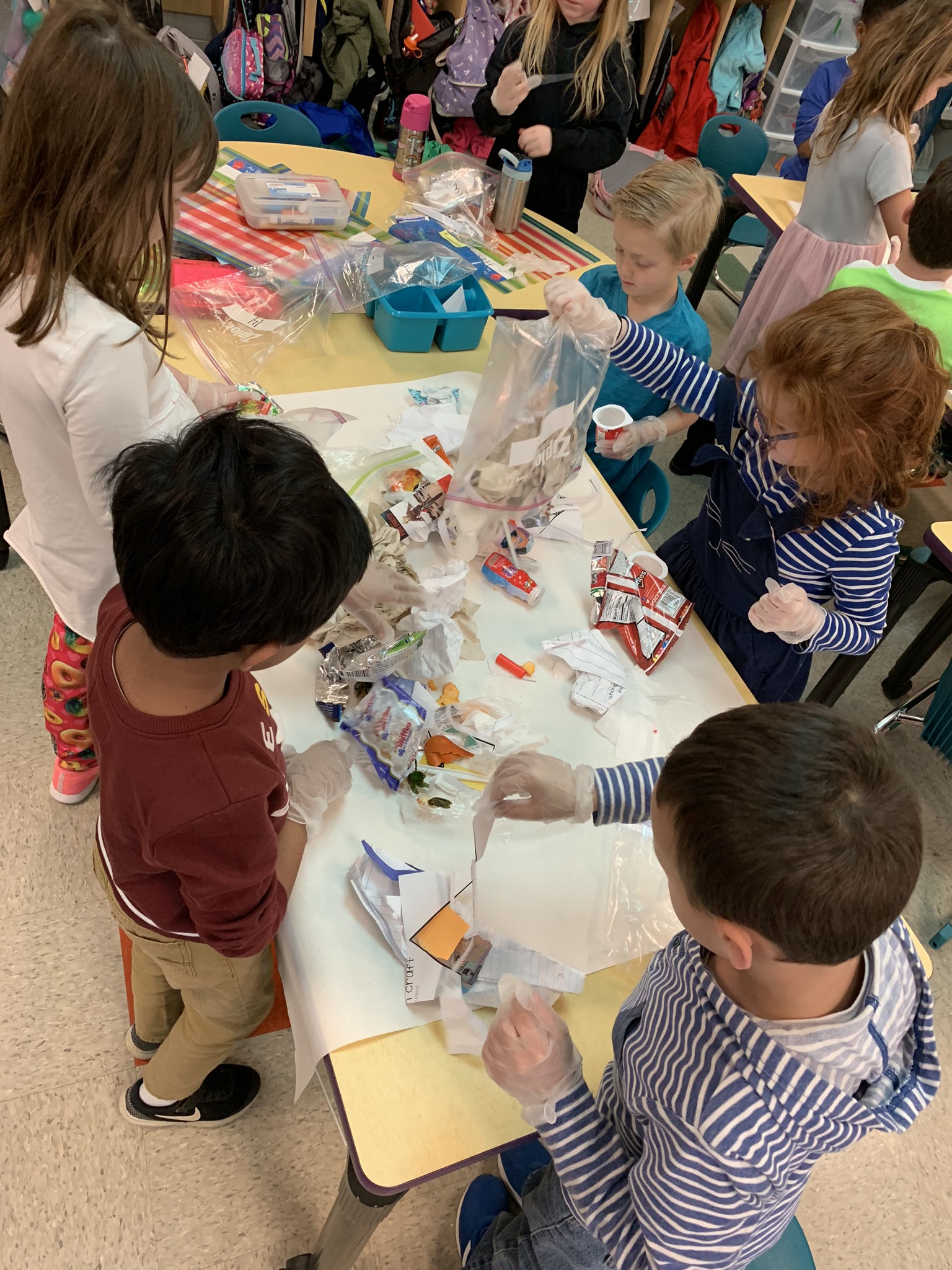
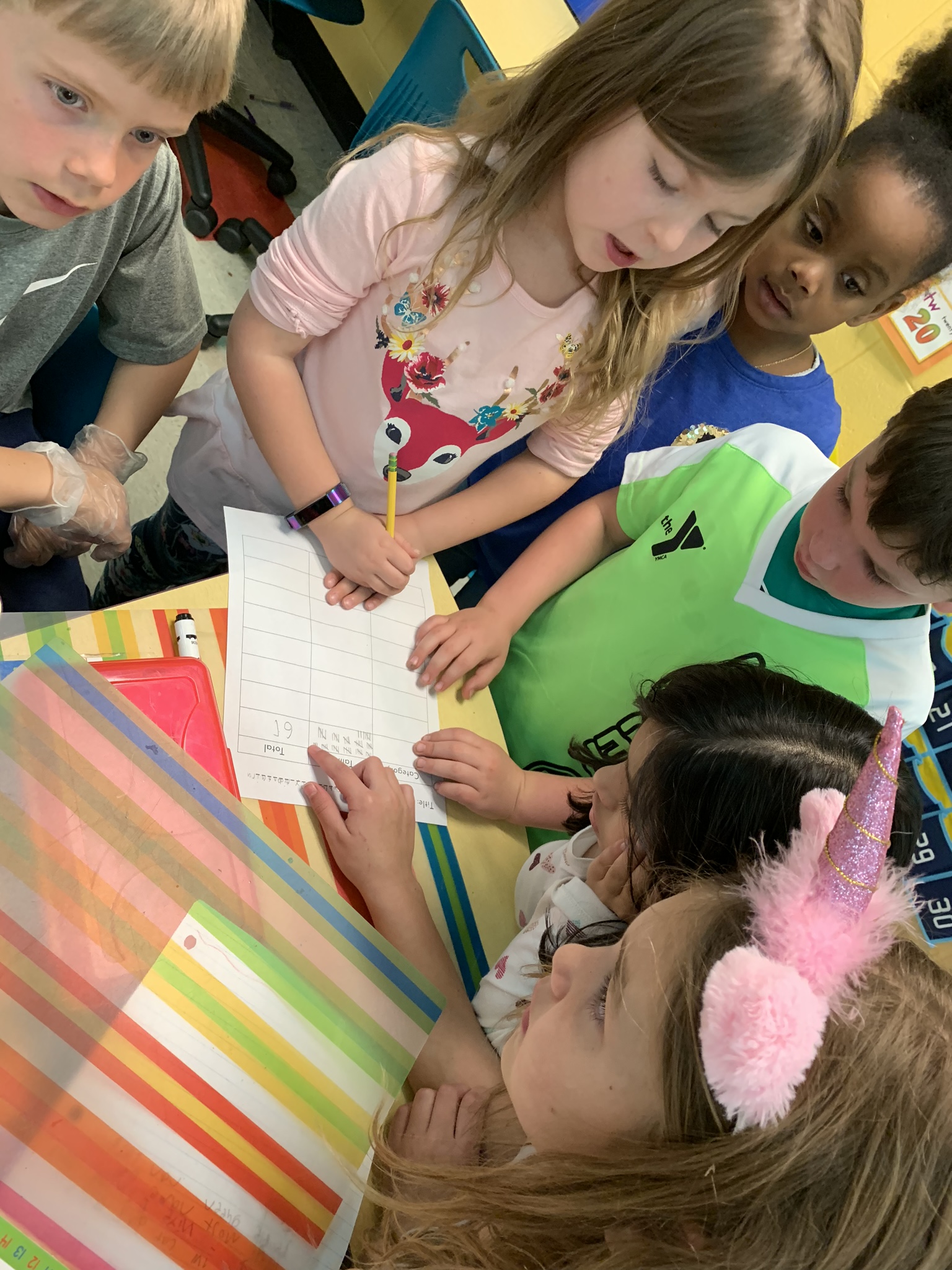
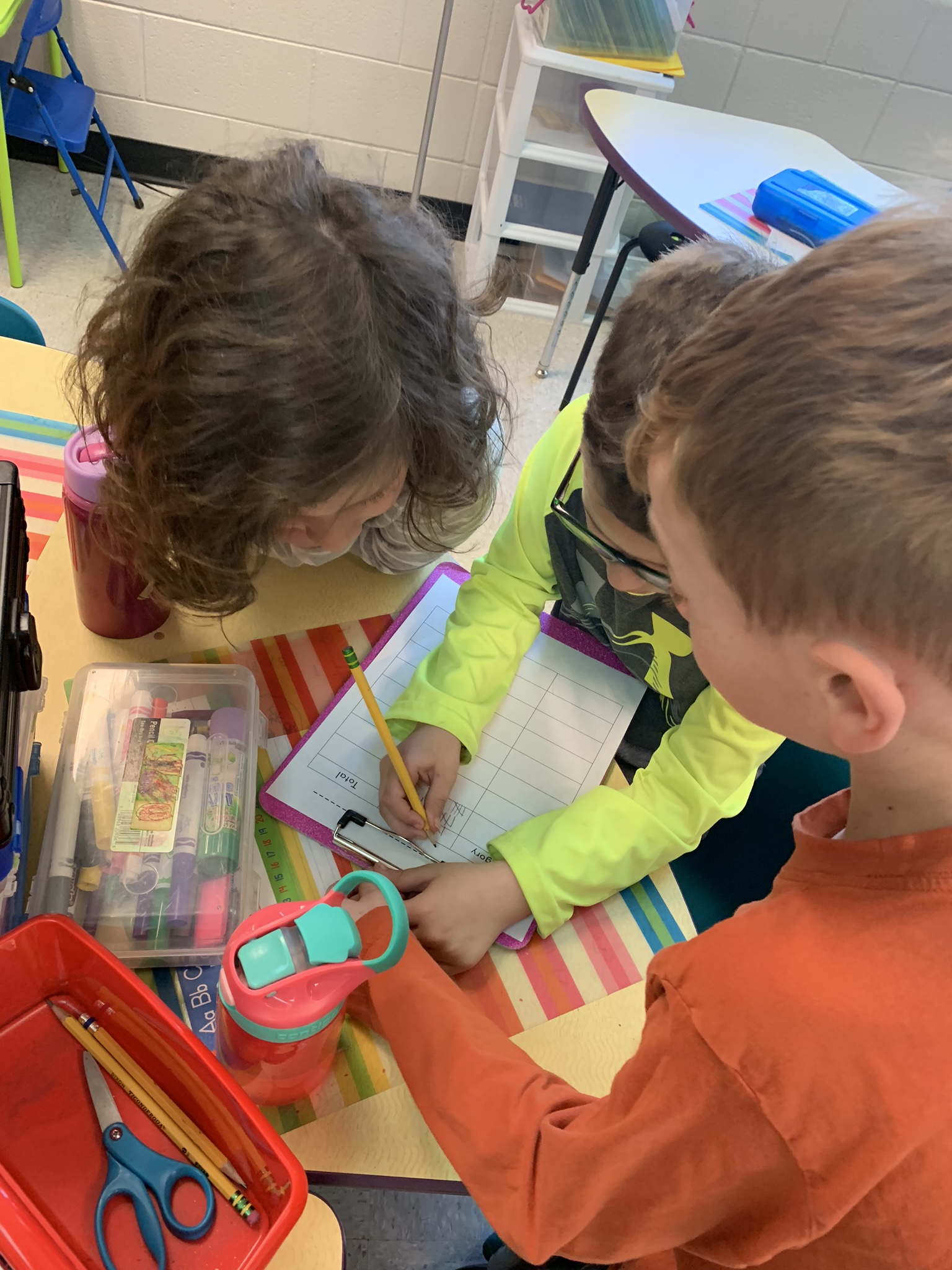
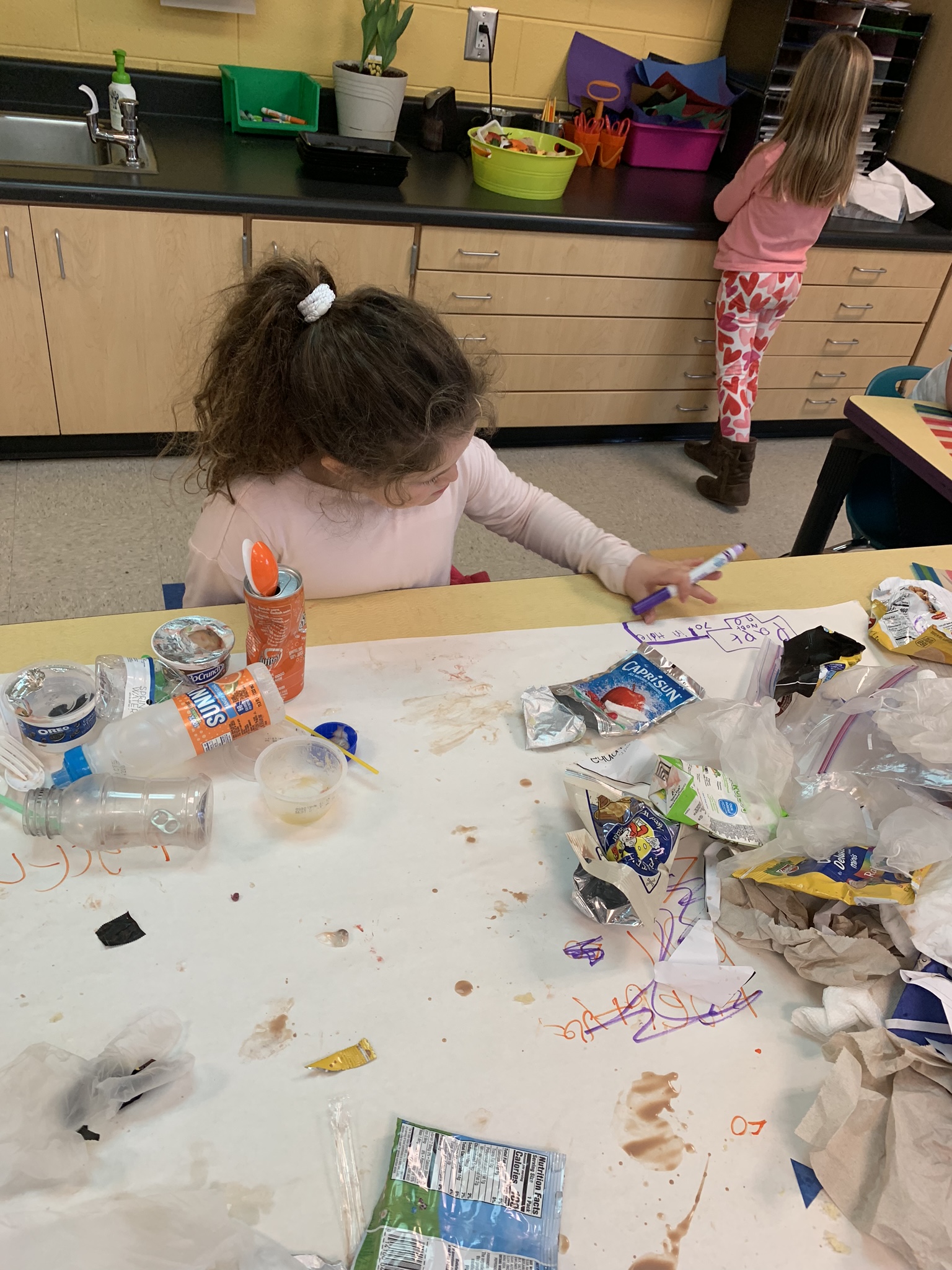
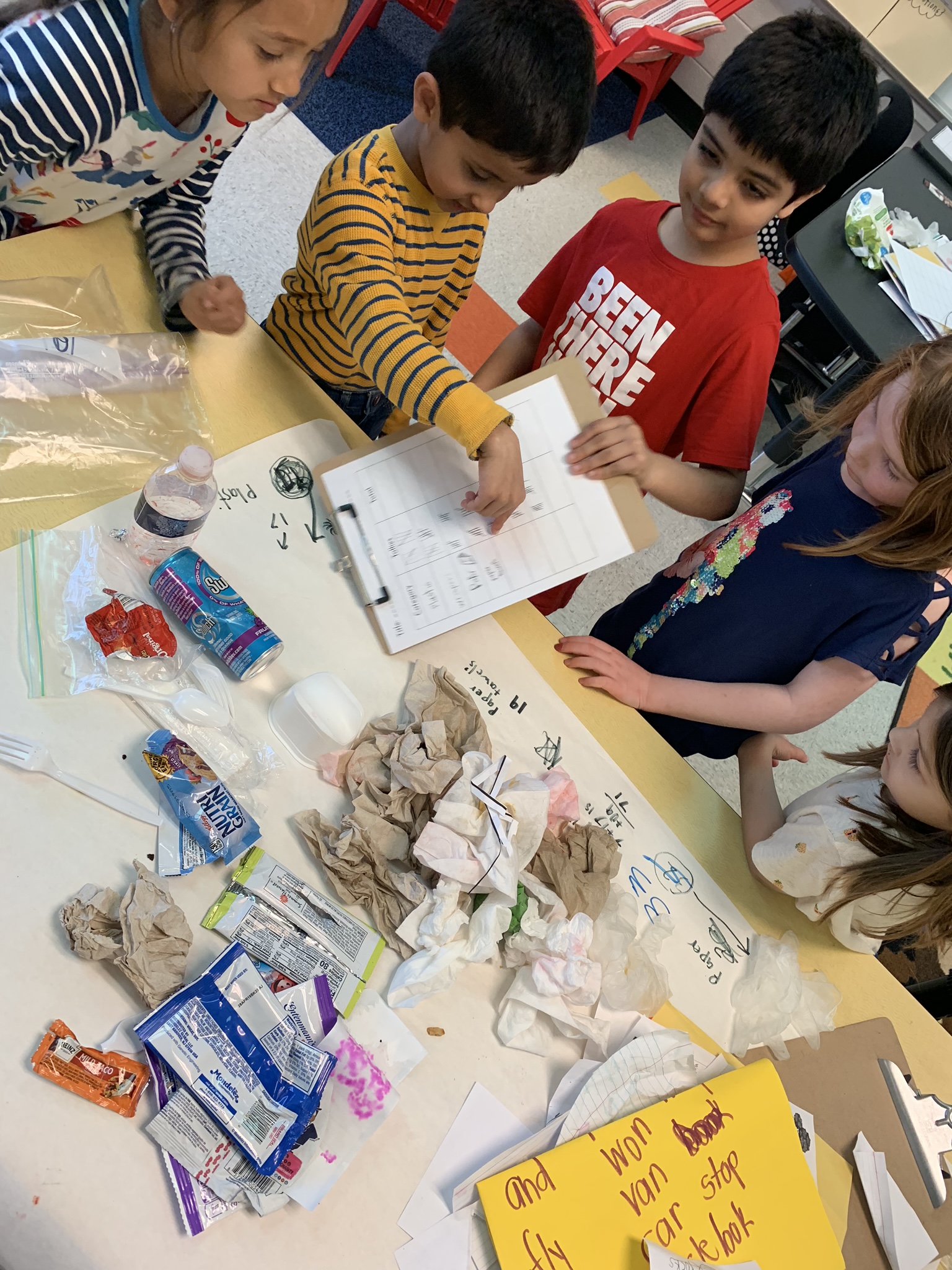
Cooperative learning approach encompassing all 5 elements as first graders kicked off our natural resources PBL project. More to come on PBL, next week!
Resources:
Cooperative Learning: Teaching Strategy (Grades K-12). (2007, February 08). Retrieved from https://www.teachervision.com/professional-development/cooperative-learning
Estes, T.& Mintz, S. (2016). Instruction: A Models Approach 7th Edition. Boston, MA: Person.
Johnson, D., & Johnson, R. An Overview of Cooperative Learning. Retrieved from http://www.co-operation.org/what-is-cooperative-learning

 Teaching & Learning